Quick Navigation
When you pay for something, you're making a transaction. But not all transactions are the same. I've personally used all four types over the years, and each has its own quirks. In this guide, I'll explain the four main types of transactions — cash, credit, debit, and digital — with honest pros and cons, real fees, and tips I've picked up from my own mistakes.
Cash Transactions
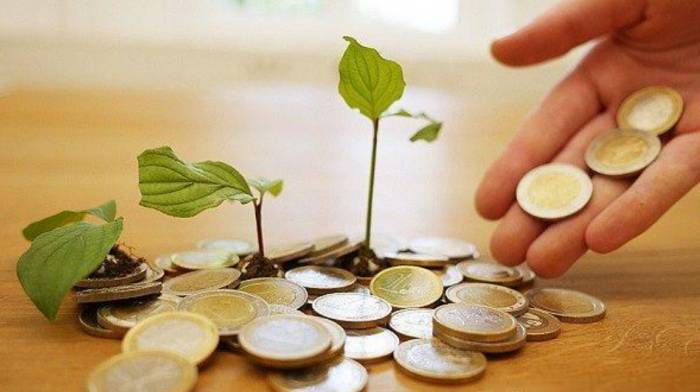
Cash is physical money — coins and bills. It's the oldest form of transaction. I still carry $20 in my wallet for places that don't take cards, like the farmer's market near my house. Cash is simple: you hand over money, you get your item. No middleman, no fees.
Pros and Cons of Cash
| Pros | Cons |
|---|---|
| No transaction fees | Easy to lose or steal |
| Accepted everywhere | No purchase protection |
| Helps with budgeting | Can't pay online |
| Payment instant | Requires exact change sometimes |
I once forgot my wallet at home and only had a $20 bill. The coffee shop couldn't break it, so I had to buy extra pastries just to use the bill. Lesson: always carry small denominations. Cash is great for small purchases, but for big ones, it's risky.
Credit Card Transactions
Credit cards let you borrow money from the bank to pay now, and you pay it back later. I love using my card for travel because of the rewards points. But credit cards come with fees — merchants pay 1.5% to 3.5% per swipe, which sometimes gets passed to you as a surcharge.
Key Features
- Grace period: Usually 21-25 days interest-free.
- Rewards: Cashback, points, miles.
- Protection: Chargeback rights if something goes wrong.
Last year, my card number was stolen online. I filed a dispute, and the bank refunded the fraudulent charges within a week. Cash wouldn't have given me that safety net. But if you're not careful with payments, interest can pile up fast — APR often ranges from 15% to 25%.
Debit Card Transactions
Debit cards pull money directly from your bank account. It feels like cash but in plastic form. I use mine for everyday shopping because it's easier than carrying cash and I don't risk overspending.
Debit vs Credit
| Feature | Debit | Credit |
|---|---|---|
| Money source | Your account | Bank's money |
| Overdraft fees | Possible if you go negative | Not applicable |
| Fraud protection | Weaker (limited liability) | Strong (zero liability) |
| Impact on credit score | None | Can build credit |
A common mistake: using debit for large online orders. I once bought a laptop with my debit card, and it got stuck in customs. The merchant refused a refund, and my bank couldn't help because the money was already gone. Now I only use credit for big purchases.
Digital Transactions
Digital transactions include electronic transfers, mobile payments, and even cryptocurrencies. Think PayPal, Venmo, Zelle, Bitcoin. They're fast and convenient, but each has different rules.
Types of Digital Transactions
- ACH transfers: Bank-to-bank, free but take 1-3 days.
- Mobile payments: Apple Pay, Google Pay — instant but need NFC.
- Peer-to-peer apps: Venmo, Cash App — instant with small fees.
- Cryptocurrency: Bitcoin, Ethereum — decentralized but volatile.
I used PayPal to pay a freelance designer. It charged 2.9% + $0.30 fee, which annoyed me. For recurring bills, I prefer ACH because it's free. Cryptocurrency? I only use it for small experiments — the transaction confirmation can take minutes, and fees spike during network congestion.
Speed and Cost Comparison
| Type | Typical Speed | Typical Fee | Best For |
|---|---|---|---|
| ACH | 1-3 business days | Free | Bills, salary |
| Mobile payment | Instant | No fee (merchant pays) | In-store quick pay |
| P2P app | Instant | 1-3% for instant | Splitting bills |
| Crypto | 10 min - 1 hour | Varies (often $0.50+) | Borderless transfers |
How to Choose the Right Transaction Type?
It depends on the situation. Here's my personal rule of thumb:
- Under $10: Cash — avoids card swiping hassle.
- $10-$100: Debit or cash — keeps spending in check.
- Over $100: Credit — for protection and rewards.
- Online purchases: Credit or digital wallet with buyer protection.
- Peer-to-peer: Venmo or Zelle for splits; avoid cash for long distance.
But when traveling abroad, I always use credit cards that don't charge foreign transaction fees. Debit cards often charge 3% and give bad exchange rates. I learned that the hard way in Thailand.
Frequently Asked Questions
This article has been fact-checked and reflects personal experience. Always verify current fee structures as they may change.